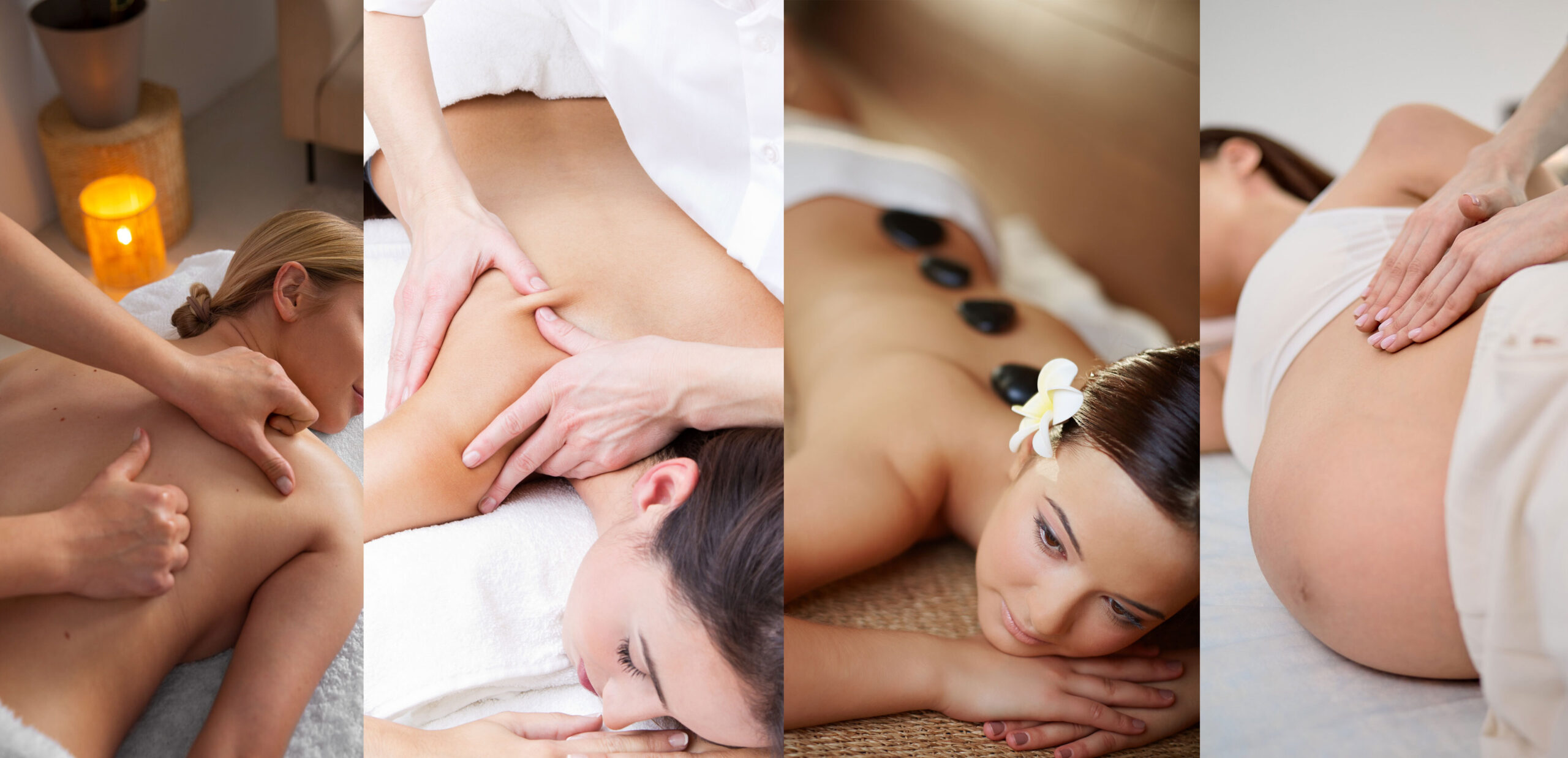
Massage therapy has been practiced for centuries as a natural way to promote relaxation, relieve pain, and support overall health. In today’s fast-paced world, people turn to massage therapy not just for stress relief but also for rehabilitation, pain management, and enhanced well-being. If you’re new to the world of massage, you may be surprised to learn that there are many different styles and techniques—each with its own benefits and ideal uses.
This guide will help you understand the most popular types of massage therapy, their unique techniques, and how to choose the right one for your needs.
What Is Massage Therapy and How Does It Work?
Massage therapy is the practice of manipulating muscles, tendons, ligaments, and other soft tissues using hands, fingers, elbows, or specialized tools. The goal can range from simple relaxation to therapeutic pain relief. It works by:
- Improving blood circulation
- Reducing muscle tension
- Enhancing lymphatic drainage
- Stimulating the nervous system
- Promoting the body’s natural healing processes
Whether you’re recovering from an injury, experiencing chronic pain, or simply need a break from daily stress, there’s a type of massage that can help.
1. Swedish Massage – The Classic Relaxation Technique
Overview:
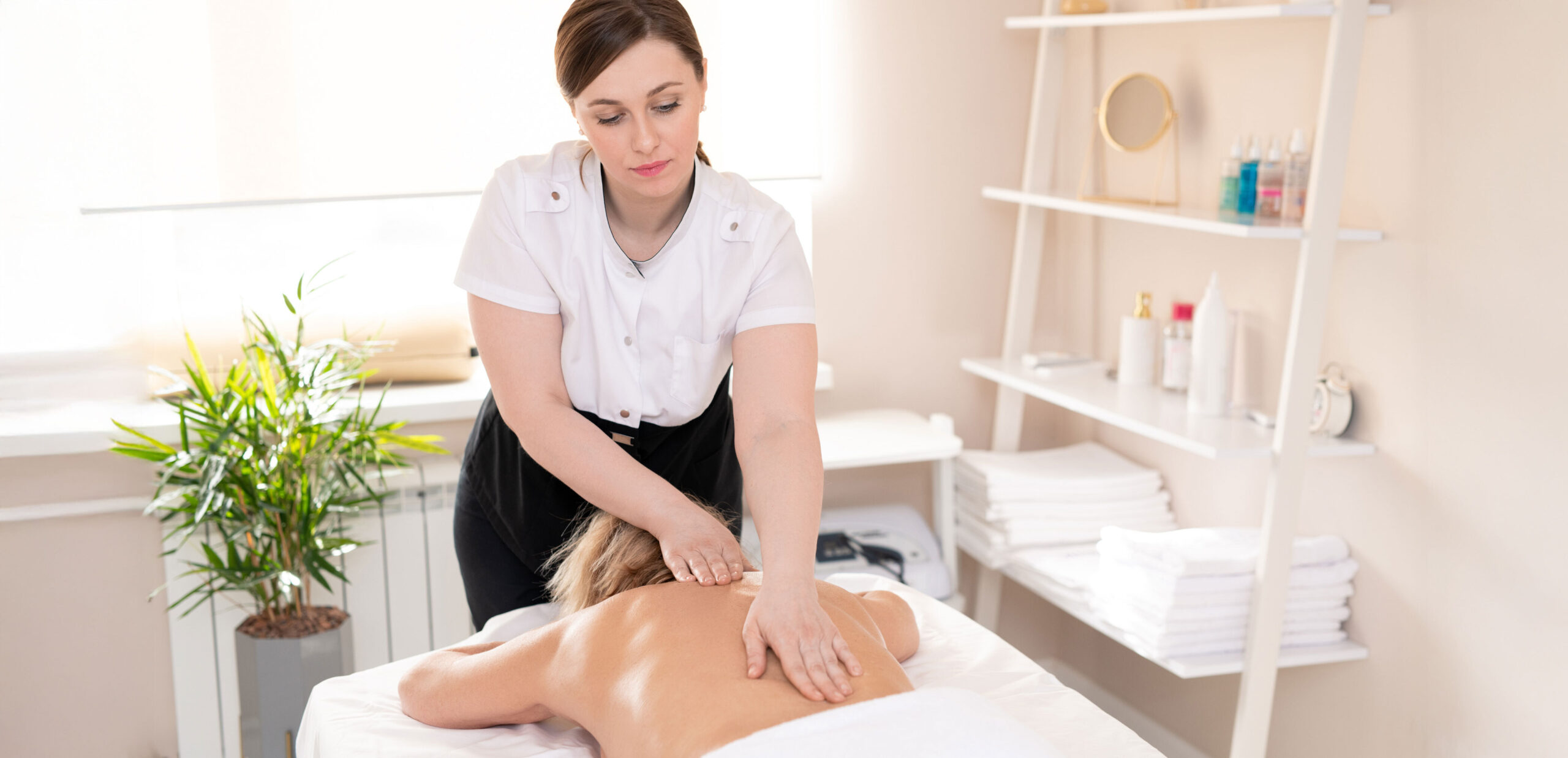
Swedish massage is the most widely known and practiced form of massage therapy. It involves gentle to medium pressure, making it ideal for beginners.
Key Techniques:
- Effleurage (long, sweeping strokes)
- Petrissage (kneading)
- Tapotement (rhythmic tapping)
- Friction (deep circular movements)
Benefits:
- Reduces stress and anxiety
- Relieves mild muscle tension
- Improves blood circulation
- Promotes deep relaxation
Best For: Anyone looking for a calming and soothing experience, especially those new to massage.
2. Deep Tissue Massage – Targeting Chronic Muscle Tension
Overview:
Deep tissue massage uses slower, more intense strokes to target deeper muscle layers and connective tissues. It’s designed to address chronic pain, tightness, and injury-related discomfort.
Key Techniques:
- Sustained pressure on specific muscle groups
- Slow, deep strokes along muscle fibers
- Trigger point therapy for knots
Benefits:
- Relieves chronic back, neck, and shoulder pain
- Breaks down scar tissue
- Improves posture by releasing tight muscles
- Increases mobility and flexibility
Best For: Athletes, people with physically demanding jobs, or those with chronic muscle pain.
3. Sports Massage – For Active and Athletic Lifestyles
Overview:
Sports massage is tailored to athletes and physically active individuals. It’s not only for injury recovery but also for performance enhancement and prevention.
Key Techniques:
- Stretching and joint mobilization
- Friction and compression techniques
- Muscle flushing for quicker recovery
Benefits:
- Reduces muscle soreness after exercise
- Improves athletic performance
- Prevents sports-related injuries
- Speeds up recovery time
Best For: Athletes, gym-goers, runners, or anyone engaging in regular physical activity.
4. Hot Stone Massage – Deep Relaxation with Heat Therapy
Overview:
Hot stone massage involves placing smooth, heated stones on specific points of the body, combined with traditional massage strokes. The heat helps muscles relax more quickly.
Key Techniques:
- Heated basalt stones placed along energy lines
- Alternating between stone placement and hand massage
- Gentle pressure with warm stones
Benefits:
- Eases muscle stiffness
- Improves circulation
- Reduces stress and anxiety
- Promotes a deep sense of relaxation
Best For: People dealing with muscle tension, stress, or those who prefer a warm, soothing massage experience.
5. Prenatal Massage – Gentle Care for Expecting Mothers
Overview:
Prenatal massage is designed specifically for pregnant women, addressing common pregnancy discomforts while ensuring safety for both mother and baby.
Key Techniques:
- Side-lying positions for comfort
- Gentle, slow strokes to reduce swelling
- Light pressure to avoid triggering sensitive points
Benefits:
- Relieves lower back pain and leg cramps
- Reduces swelling in feet and ankles
- Promotes relaxation and better sleep
- Improves mood and reduces anxiety
Best For: Expecting mothers, particularly in the second and third trimesters.
6. Shiatsu Massage – Balancing Energy Flow
Overview:
Shiatsu is a Japanese massage technique that focuses on applying rhythmic pressure to specific points along the body’s meridians to balance energy flow.
Key Techniques:
- Thumb and palm pressure on acupressure points
- Stretching and joint rotations
- Gentle rocking movements
Benefits:
- Improves energy and vitality
- Reduces stress and fatigue
- Supports digestive and immune function
- Relieves tension headaches
Best For: People looking for a holistic and energy-focused massage approach.
7. Reflexology – Healing Through the Feet and Hands
Overview:
Reflexology is based on the idea that specific points on the feet, hands, and ears correspond to different organs and systems in the body.
Key Techniques:
- Firm thumb pressure on reflex points
- Gentle massage of feet, hands, and sometimes ears
Benefits:
- Improves circulation
- Supports detoxification
- Promotes relaxation and better sleep
- Reduces pain and stress
Best For: People seeking a non-invasive therapy that promotes overall wellness.
8. Thai Massage – Stretching and Movement Therapy
Overview:
Thai massage combines acupressure, stretching, and assisted yoga postures. Unlike traditional massage, it’s performed on a mat with the recipient fully clothed.
Key Techniques:
- Assisted stretching
- Palm and thumb pressure along energy lines
- Rhythmic rocking and pulling motions
Benefits:
- Improves flexibility and range of motion
- Boosts energy levels
- Relieves joint and muscle pain
- Encourages deep relaxation
Best For: Individuals who enjoy active, movement-based therapies.
How to Choose the Right Type of Massage Therapy
When selecting a massage style, consider your goals, health conditions, and comfort level:
- For relaxation and stress relief: Swedish or hot stone massage.
- For chronic pain or injury recovery: Deep tissue or sports massage.
- For pregnancy support: Prenatal massage.
- For holistic wellness: Shiatsu or reflexology.
- For flexibility and movement: Thai massage.
Also, discuss any medical conditions or concerns with your massage therapist before your session.
Tips for Your First Massage Session
- Arrive early to fill out any health forms.
- Communicate openly about your comfort level and pressure preference.
- Hydrate well before and after the massage.
- Wear comfortable clothing if your massage involves stretching or movement.
- Relax and breathe deeply to get the most out of your session.
The Growing Demand for Professional Massage Therapists
With rising awareness of massage therapy’s health benefits, the demand for skilled professionals is higher than ever. From spas and wellness centers to rehabilitation clinics and sports facilities, trained massage therapists have a wide range of career opportunities.
Professional training ensures you can safely and effectively perform various massage techniques, understand anatomy, and meet client needs—making you a trusted and valued practitioner.
Start Your Journey with GD College’s Massage Therapy Program
If you’re inspired to turn your passion for wellness into a fulfilling career, GD College’s Massage Therapy program offers the perfect starting point. Their comprehensive curriculum combines in-depth theoretical knowledge with hands-on training, preparing you to excel in a variety of settings.
Why Choose GD College?
- Expert instructors with real-world experience
- State-of-the-art training facilities
- Focus on both traditional and modern massage techniques
- Support in building your career as a licensed massage therapist
Begin your massage therapy career today! Visit GD College’s Massage Therapy Program to learn more and take the first step toward a rewarding future in health and wellness.