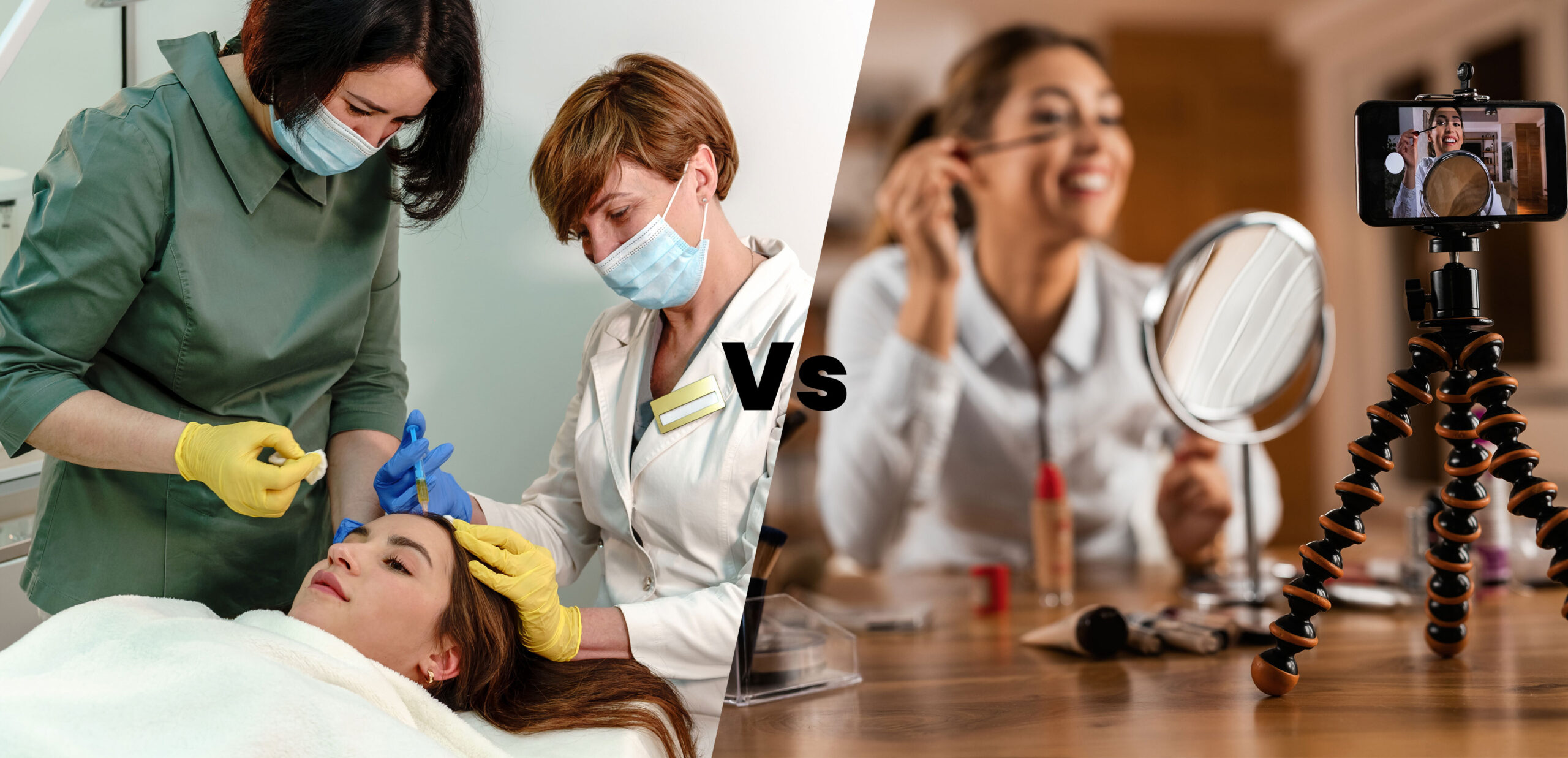
In the world of beauty, talent, and creativity are undeniable assets. Whether it’s perfecting a flawless makeup look, executing a trending haircut, or mastering intricate nail art, skill is the foundation of success. But in today’s competitive market, the debate between licensed and self-taught beauty professionals is more relevant than ever.
While being self-taught may seem like a cost-effective and flexible path, obtaining a formal beauty certification can be the difference between a flourishing, long-term career and one that struggles to stand out. In this article, we’ll explore the key differences between licensed and self-taught beauty professionals, the benefits of certification, and why getting certified is a game-changer for anyone serious about excelling in the beauty industry.
The Rise of Self-Taught Beauty Professionals
Social media has transformed the beauty industry. Platforms like Instagram, TikTok, and YouTube have empowered countless aspiring artists to showcase their work, learn new techniques, and attract clients, all without setting foot in a classroom.
Self-taught professionals often:
- Rely on online tutorials and free resources.
- Experiment with personal clients or friends or family.
- Build a portfolio through trial and error.
This approach can be cost-efficient and allows for flexibility in learning. Many talented artists have carved out a niche for themselves without formal education. However, despite the creative freedom, self-taught beauty professionals face significant limitations when it comes to career opportunities and credibility.
The Licensed Beauty Professional Advantage
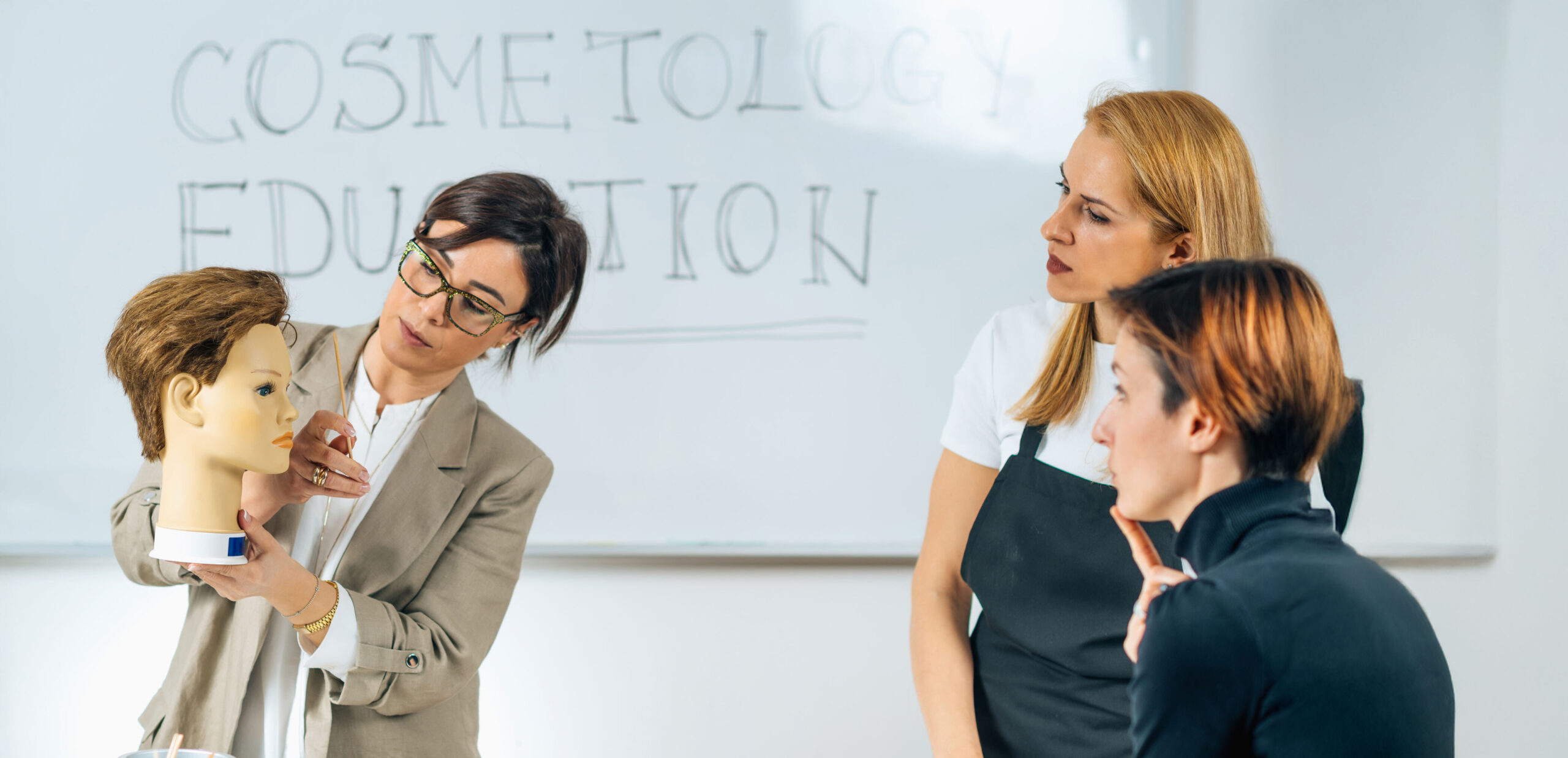
Licensed beauty professionals have undergone formal training in an accredited institution, learning not just creative skills but also the science, safety, and business aspects of the trade.
With a license, professionals benefit from:
- Industry credibility – Clients often feel more confident trusting someone with certified expertise.
- Broader career opportunities – Many salons, spas, and beauty companies require a license for employment.
- Legal compliance – Certain beauty services legally require a licensed practitioner.
- Comprehensive skill development – From hygiene and sanitation to advanced techniques and product knowledge.
This structured education builds a foundation that self-taught methods alone often cannot match.
Why Certification Matters More Than Ever
The beauty industry is not just about trends; it’s a regulated and safety-sensitive profession. Getting certified offers advantages that go beyond skill.
1. Credibility and Client Trust
In an industry where personal appearance and safety are at stake, clients want assurance that they’re in good hands. A licensed professional communicates professionalism, dedication, and reliability.
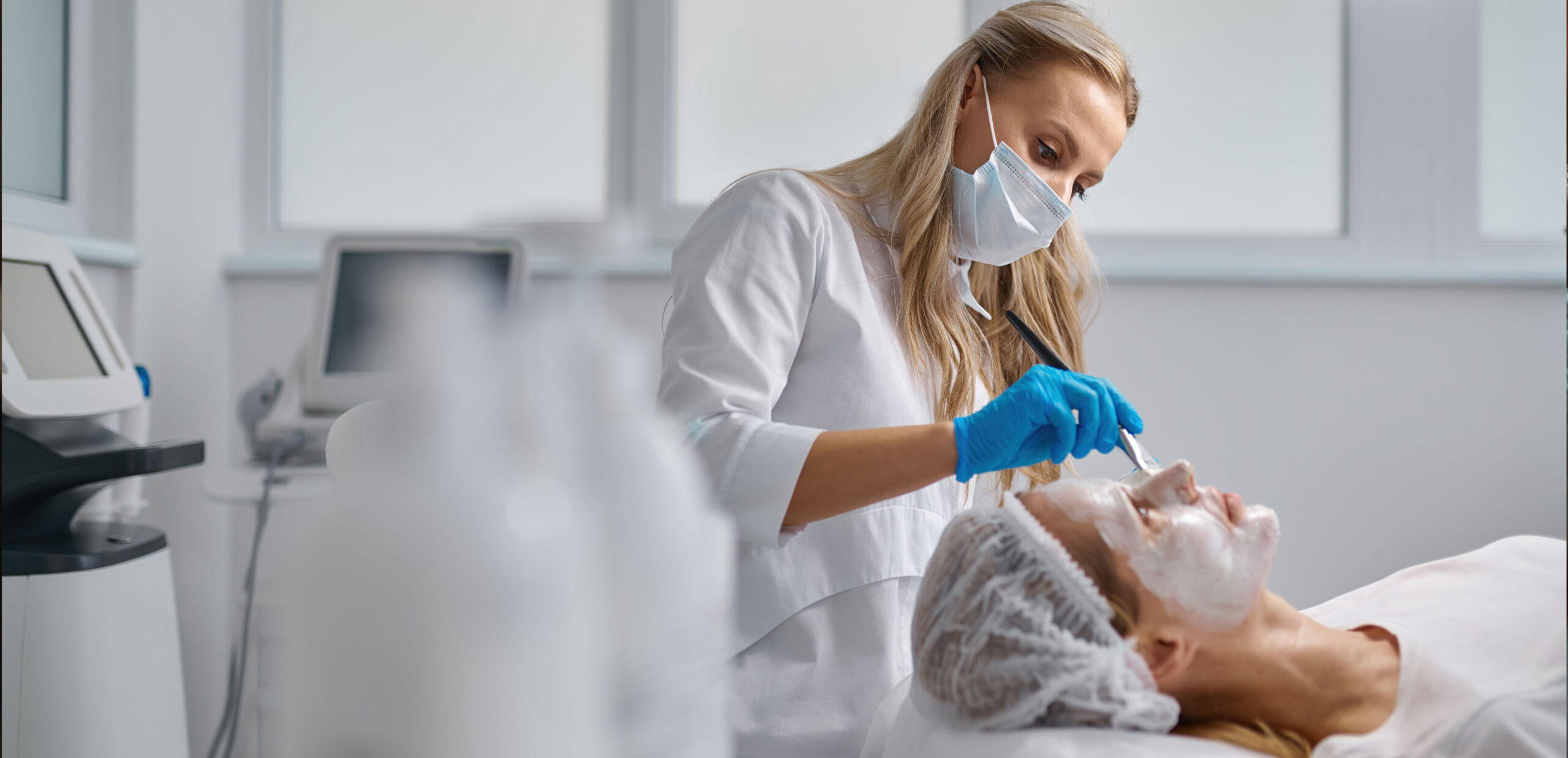
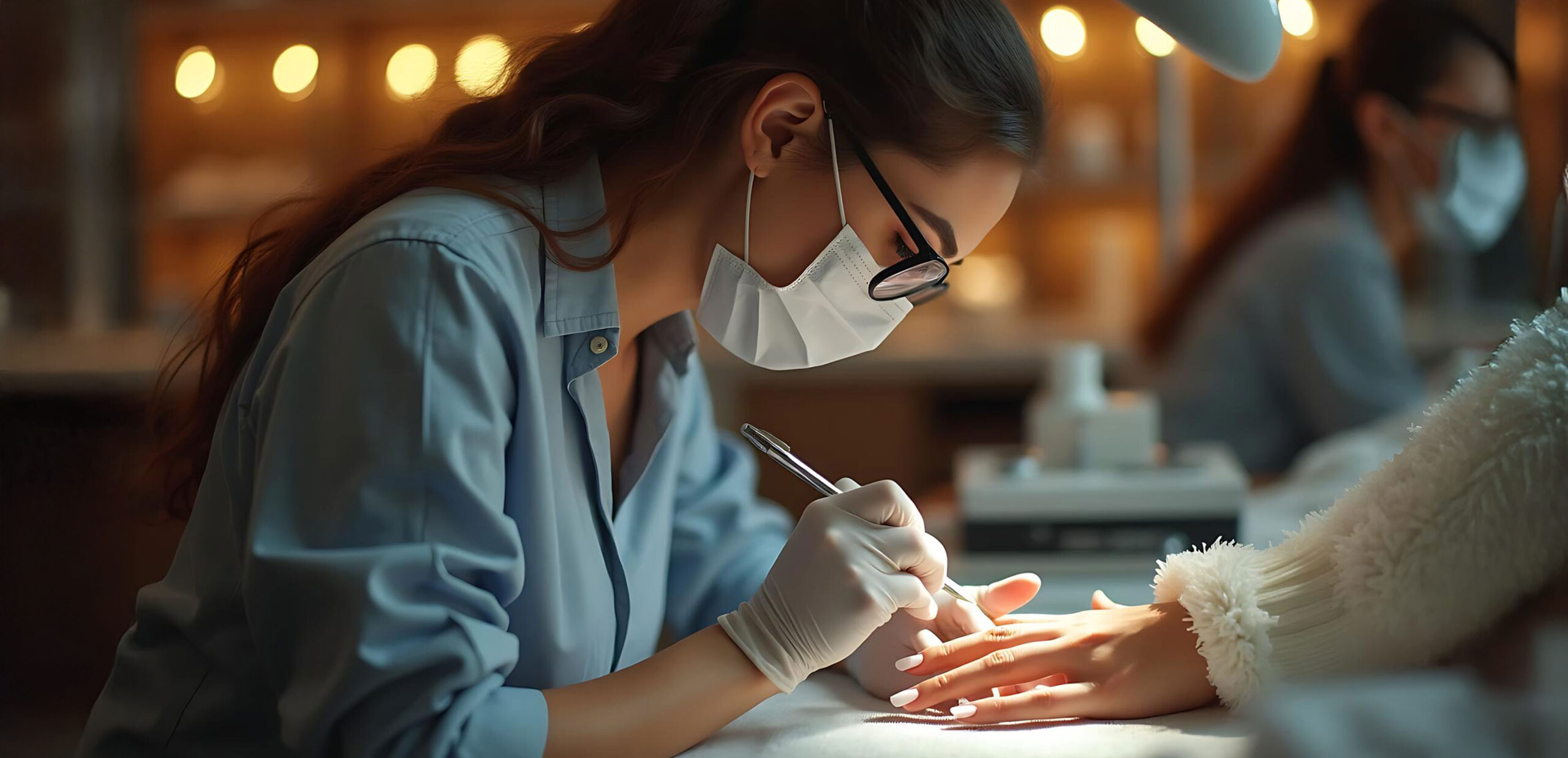
For example, when a client chooses a licensed nail technician, they trust that proper sanitation protocols will be followed to prevent infections.
2. Legal Requirements and Compliance
In many provinces and states, performing certain beauty services without a license is illegal. From hair coloring to chemical treatments, regulations exist to protect clients. Certification ensures you’re working within legal boundaries, protecting both your business and reputation.
3. Access to Professional Products and Tools
Many high-quality beauty products and tools are available only to licensed professionals. These products often deliver better results and last longer, giving clients a superior experience that keeps them coming back.
4. Career Flexibility and Growth
A certification opens doors to multiple career paths, including:
- Working in high-end salons or spas.
- Opening your own beauty business.
- Teaching beauty courses.
- Working in fashion shows, media, or entertainment.
Licensed vs. Self-Taught: Key Differences
Aspect | Licensed Professional | Self-Taught Professional |
Training | Structured, accredited curriculum | Informal, self-directed learning |
Credibility | Industry-recognized credentials | Relies on personal portfolio |
Legal Compliance | Meets regulatory requirements | May risk fines or legal issues |
Product Access | Access to professional-grade products | Limited to retail consumer products |
Career Opportunities | Wide range of professional options | Restricted, often freelance only |
Skill Depth | Comprehensive, includes theory + practice | Primarily practice-based |
The Business Side of Certification
One of the most overlooked benefits of licensing is the business education that comes with it. A well-rounded beauty program doesn’t just teach technique; it prepares you to run and grow a business.
Certified beauty professionals learn:
- Pricing strategies for services.
- Client retention and relationship building.
- Social media marketing tailored for beauty businesses.
- Salon management and leadership skills.
This is especially valuable for those dreaming of opening their own salon or freelance brand.
How Clients Perceive Licensed vs. Self-Taught Professionals
Clients make decisions based on trust and perceived value. Even if your self-taught skills are strong, without certification, some potential clients may hesitate to book you, especially for high-ticket services like bridal makeup or chemical treatments.
Licensed professionals are seen as:
- More professional and reliable.
- Safer in terms of health and hygiene practices.
- Better equipped to handle different hair, skin, and nail types.
This perception directly impacts how much you can charge and how often clients return.
Certification as a Long-Term Investment
Getting licensed requires time, money, and dedication, but it’s an investment with lifelong returns.
Some benefits that compound over time include:
- Higher earning potential – You can command premium rates.
- Job stability – Licensed professionals are in demand worldwide.
- Continual growth – Many institutions offer advanced courses to keep you updated with trends.
In a market where trends change rapidly, having a formal foundation ensures your skills remain relevant and competitive.
How to Get Certified in the Beauty Industry
If you’re ready to take the leap from self-taught to licensed, here’s the general process:
- Choose Your Specialty – Hair, makeup, nails, skincare, or multiple disciplines.
- Find an Accredited Beauty School – Look for one with experienced instructors, hands-on training, and industry recognition.
- Complete the Required Training Hours – This varies by location and specialty.
- Pass Your Licensing Exam – Includes both practical and theoretical assessments.
- Maintain Your License – Some regions require ongoing education to keep your license active.
Why GD College is the Perfect Place to Start
If you’re serious about excelling in the beauty industry, GD College offers the perfect platform to gain professional skills and industry recognition. With state-of-the-art facilities, experienced instructors, and comprehensive programs, GD College prepares students to not only pass their licensing exams but also thrive as confident beauty professionals.
Whether your passion is hairstyling, aesthetics, nail technology, or makeup artistry, GD College provides the hands-on experience, product knowledge, and business skills you need to succeed.
Final Takeaway
While being self-taught can get your foot in the door, getting licensed solidifies your credibility, expands your opportunities, and sets you apart in a competitive industry. Clients are more likely to trust and pay premium rates to professionals who have proven their expertise through formal certification.
If you want a long, successful, and rewarding career in beauty, the best investment you can make is in your education.
Ready to turn your passion into a licensed profession?
Visit gdcollege.ca today and explore their accredited beauty programs. Your future in the beauty industry starts here!