Post-Wax Care: Effective Tips and Best Practices for Smoother Skin
Waxing is one of the most effective hair removal methods, offering long-lasting smoothness that shaving and depilatory creams can’t match. However, to truly reap the benefits of waxing and avoid potential skin issues like redness, bumps, or ingrown hairs, proper post-wax care is crucial. Whether you’re a first-timer or a waxing regular, understanding how to treat your skin after waxing can make all the difference in comfort and results.
In this article, we’ll dive deep into post-wax care tips, explain why they matter, and share the best practices to maintain silky-smooth skin post-waxing.
Why Post-Wax Care Matters
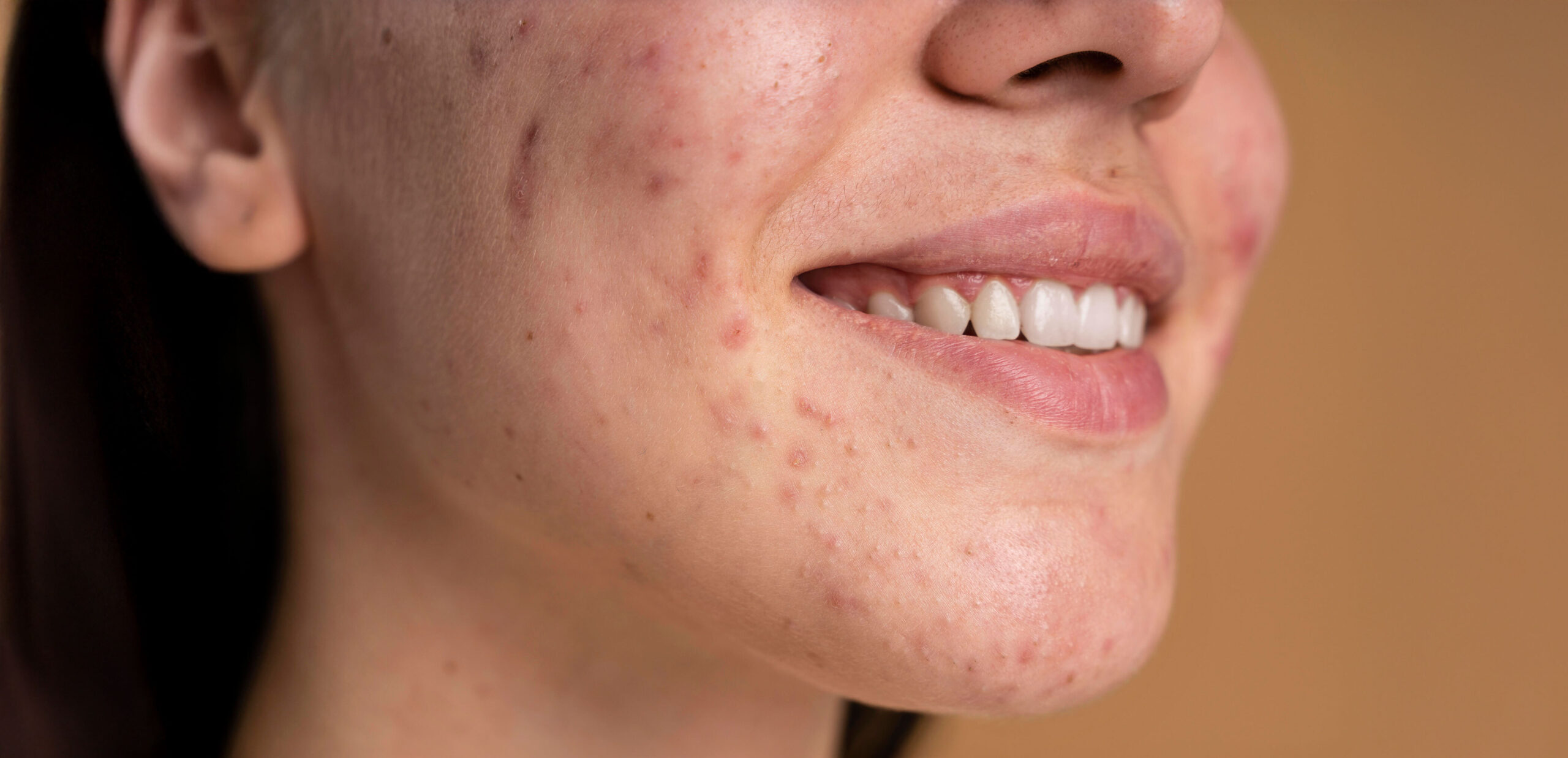
Waxing removes hair from the root, but in doing so, it also removes the top layer of dead skin cells and opens up your hair follicles. This leaves your skin temporarily more sensitive and vulnerable to irritation, infection, and ingrown hairs. Without proper care:
- Skin can become inflamed or break out.
- Bumps and ingrown hairs can develop.
- The risk of infections increases.
- The smooth results may not last as long.
By adopting the right post-wax skincare routine, you can reduce discomfort, prevent issues, and enjoy soft, healthy skin for longer.
1. Soothe the Skin Immediately After Waxing
The first few hours post-wax are critical. Your skin might be red, tender, or feel slightly warm. A calming routine helps to reduce inflammation and initiate healing.What to do:
- Apply a cold compress: Use a clean, damp washcloth or ice wrapped in a towel to gently press on waxed areas. This minimizes redness and soothes irritation.
- Use soothing products: Aloe vera gel, witch hazel, or post-wax calming lotions (alcohol-free) help reduce inflammation and cool the skin.
Avoid products with fragrance, alcohol, or artificial dyes, as they may cause stinging or further irritation.
2. Skip the Heat and Sweat for 24–48 Hours
After waxing, your skin is more prone to irritation from heat and sweat. For 24–48 hours:
- Avoid hot showers, baths, or saunas.
- Skip intense workouts that cause excessive sweating.
- Stay out of direct sunlight or tanning beds.
Exposing newly waxed skin to heat and UV rays can cause hyperpigmentation and increase the risk of infection or ingrown hairs.
3. Wear Loose, Breathable Clothing
Tight clothing can cause friction on freshly waxed skin, leading to irritation and bumps—especially in areas like the bikini line or underarms.
Opt for:
- Loose cotton clothing.
- Breathable underwear or none at all for a few hours (for bikini or Brazilian waxes).
Letting your skin breathe speeds up the recovery process and prevents chafing.
4. Avoid Touching or Scratching
It’s natural to feel slight itchiness as your skin heals, but resist the urge to touch, scratch, or pick at the waxed area. Doing so can:
- Transfer bacteria from your hands.
- Lead to breakouts or infections.
- Cause scarring or skin damage.
If itchiness becomes a concern, use an anti-itch cream recommended by your waxing technician or dermatologist.
5. Exfoliate Gently – But Not Right Away
While exfoliation is key to preventing ingrown hairs, don’t exfoliate immediately after waxing. Your skin needs time to heal.
When to exfoliate:
- Start exfoliating 48–72 hours post-wax.
- Use gentle exfoliants, such as:
- Sugar scrubs
- Soft exfoliating gloves
- Mild chemical exfoliants (like lactic acid or salicylic acid in low concentrations)
Exfoliating 2–3 times a week can help remove dead skin cells and ensure new hair grows back without obstruction.
6. Hydrate Your Skin Daily
Keeping your skin moisturized is essential to maintaining its smooth texture. Hydration supports skin elasticity and helps prevent dryness or flaking after waxing.
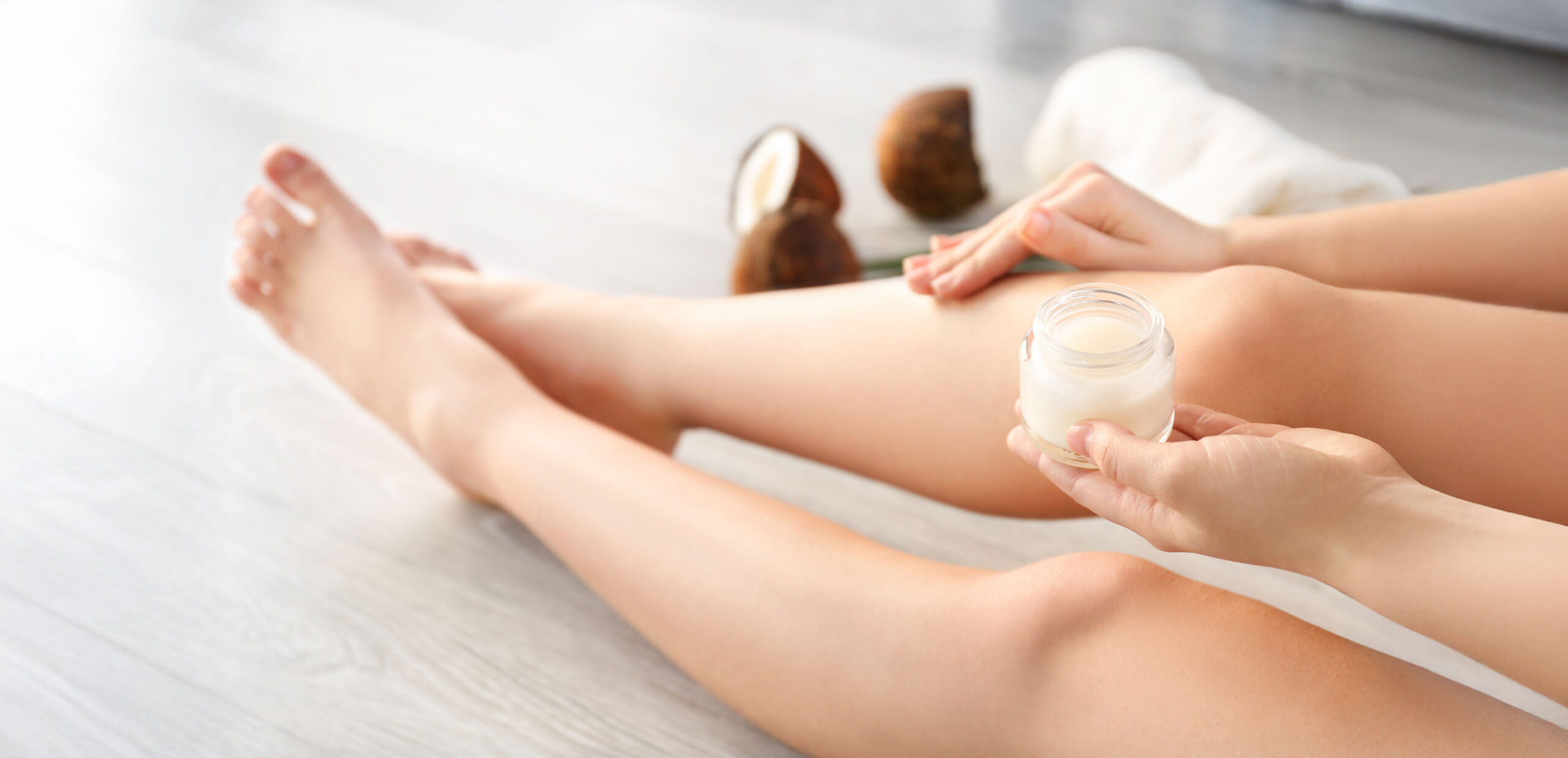
Choose fragrance-free, non-comedogenic moisturizers to avoid clogging open pores. Ingredients like shea butter, aloe vera, or coconut oil are excellent choices for post-wax skin.
7. Watch Out for Ingrown Hairs
Ingrown hairs can be a frustrating post-wax issue, especially in areas like the bikini line or legs. They occur when hair grows back into the skin instead of outward.
To prevent ingrowns:
- Exfoliate regularly (as mentioned above).
- Apply an ingrown hair serum or product with salicylic acid or tea tree oil.
- Avoid shaving between waxing sessions.
If you get an ingrown, avoid picking or squeezing it. Use a warm compress and a clean needle or tweezer to gently release the hair if necessary—or consult a professional.
8. Don’t Apply Harsh Products
For at least 48 hours post-wax, skip the following products in waxed areas:
- Retinols or retinoids
- AHAs/BHAs (unless used in low concentrations for exfoliation after a few days)
- Benzoyl peroxide
- Self-tanners
- Strong essential oils
These can irritate already-sensitive skin and cause chemical burns or peeling.
9. Maintain a Regular Waxing Schedule
One of the best things you can do for your skin is stay consistent with your waxing routine. Most professionals recommend waxing every 4–6 weeks, depending on your hair growth cycle and area.
With regular waxing:
- Hair grows back finer and sparser.
- Your skin becomes more tolerant to the process.
- The risk of ingrown hairs and irritation decreases over time.
10. Seek Professional Advice When Needed
If you experience persistent redness, swelling, or signs of infection (like pus, severe itching, or skin hot to the touch), don’t hesitate to contact a dermatologist or your esthetician. Post-wax reactions are usually mild, but it’s better to be safe than sorry.
Bonus Tips Based on Waxed Area
Face (Upper Lip, Brows, Chin)
- Avoid makeup for 12–24 hours post-wax.
- Use mineral-based cosmetics if makeup is necessary.
Underarms
- Skip deodorant for 24 hours or use a natural alternative.
- Avoid tight tops or synthetic fabrics.
Bikini/Brazilian
- Avoid intimacy, swimming, or using hot tubs for at least 24–48 hours.
- Use feminine hygiene washes designed for sensitive skin, if needed.
Legs/Arms
- Moisturize twice daily for smooth, glowing skin.
- Avoid shaving in between sessions to reduce coarseness.
Conclusion
Waxing is more than just hair removal—it’s a skin treatment that requires proper aftercare to get the best results. By adopting a thoughtful post-wax care routine, you’ll protect your skin from irritation, reduce the risk of ingrown hairs, and extend that smooth, hair-free feeling.
Remember, healthy, glowing skin doesn’t end when the wax strip comes off. Treat your skin with kindness, and it’ll thank you with lasting softness and beauty.